

.svg)


.jpg)
.jpg)




AI Disclosure
Last updated: July 22, 2026
Overview
Welcome to TheWorldofKoraiUji.com (“WOKU”). This page explains the role of generative technology in the production of the experiences, visual renderings, audio, music, and features published on this site.
Honesty matters to us, but so does clarity.
Let us be clear:
Every story, record, narrative, character, culture, setting, and piece of world-building shared through WOKU is originated by KMAP, the creator and author of The World of Korai Uji.
This universe is the product of over a decade of writing, character design, visual development, research, and storytelling. KMAP is the sole author behind the WOKU narrative. This includes its dialogue, scenes, histories, cultural systems, relationships, and emotional arcs.
Generative tools may assist with how parts of this work are edited, rendered, or presented. They do not originate the world itself.
What AI Is Not Doing
AI and generative tools are not used to:
- Write WOKU stories or chapters
- Invent the characters, cultures, histories, or plotlines
- Determine the direction of the narrative
- Replace KMAP’s authorship, design, composition, or creative decision-making
- Build, autonomously develop or maintain theworldofkoraiuji.com website
The creative foundations of WOKU remain human. Generative tools are used to help edit, render, arrange, process, and produce work that originates with KMAP and the project’s human collaborators.
Our Use of AI and Generative Tools
As an independently produced project with a very small support team, generative tools are used where they allow us to realise ideas that have already been written, designed, composed, or art-directed by KMAP.
These tools are used across the following areas:
- Editing and Proofing: AI may assist with copy-editing, grammar correction, clarity, formatting, and consistency after the original writing has been completed by KMAP.
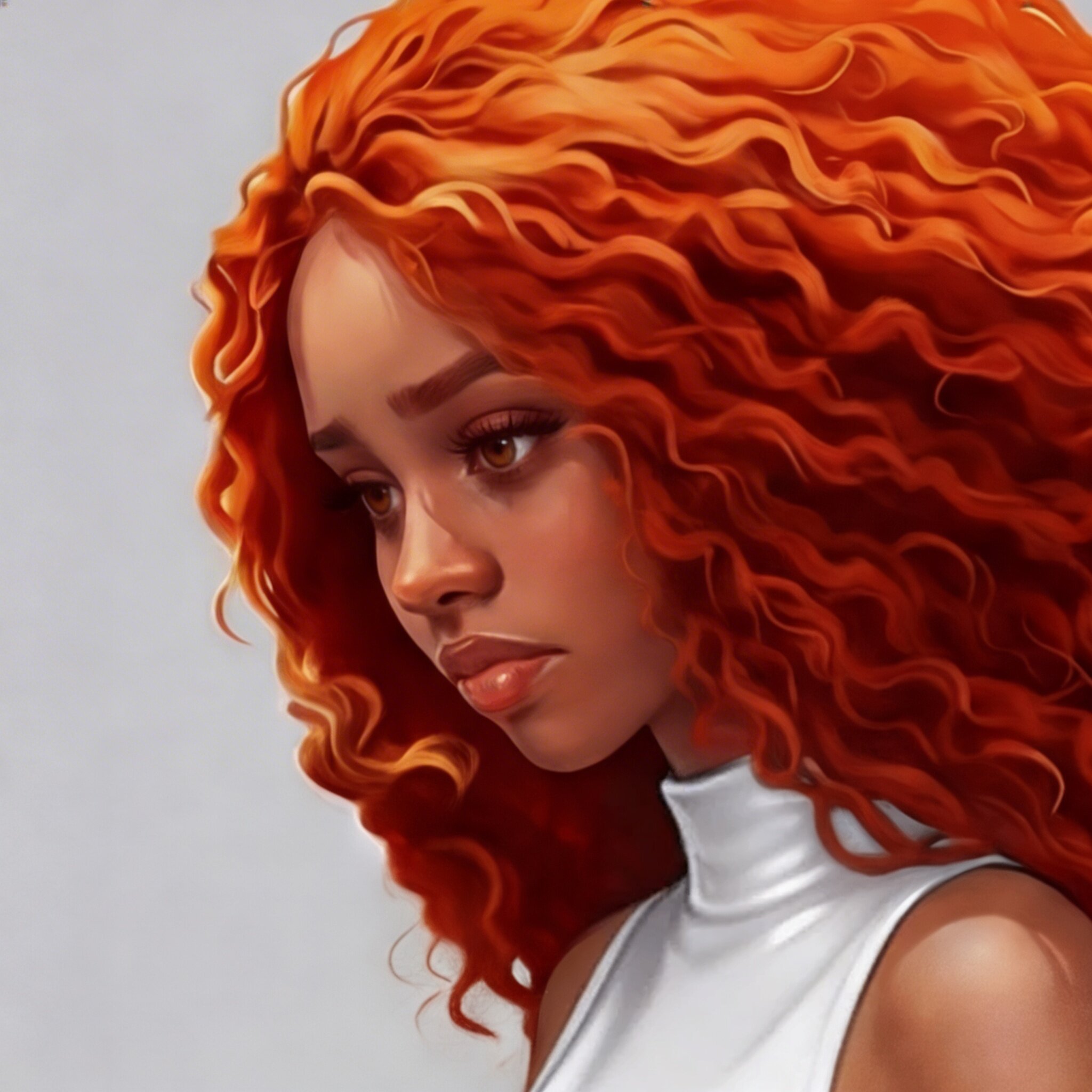
- Visual Renderings: Some images on the WOKU website are described as visual renderings. These are created using reference materials produced or assembled by KMAP, which may include original photographs, draft sketches, character designs, collages, layouts, and planned compositions. These materials are then processed using image-generation tools under KMAP’s direction.
- Visual Development and Consistency: Generative tools may also be used to refine image quality, develop lighting or texture, explore variations, and maintain a consistent visual language across different images and features.
- Game Development: Generative AI may be used to assist with coding and implementing WOKU’s interactive games. The original game concepts, gameplay mechanics, level design, creative direction, and many of the visual and audio assets are designed, created, or selected by KMAP. These tools help translate KMAP’s designs into working code rather than originate the games themselves.
- Voice and Audio Production: Character voices begin with real vocal performances recorded by a small cast of volunteers. Generative audio tools may then be used to adjust qualities such as timbre, pitch, tone, or vocal texture, allowing a limited cast to portray a wider range of characters. The underlying performances, delivery, and dramatic direction remain human.
- Music Production: Original songs associated with WOKU are written and composed by KMAP, including their lyrics, melodies, concepts, and overall musical direction. Generative music tools may be used to produce instrumental arrangements, alternate versions, remixes, backing tracks, or individual musical stems based on those original compositions.
- Administrative and Workflow Support: AI may assist with formatting, summarising, indexing, or organising lore entries, production notes, and supporting documentation after the underlying material has been developed by KMAP.
About WOKU’s Visual Renderings
The characters, clothing, environments, compositions, visual references, and narrative contexts for all visual renderings are conceived and art-directed by KMAP. Generative tools form part of a broader visual-production process, helping to translate existing ideas and materials into finished renderings as part of the wider production and presentation process.
Renderings use a broad, soft-realist aesthetic developed for the project. WOKU does not intentionally use generative tools to imitate the style of any specific artist. Where collaborating artists contribute to WOKU, their work remains part of the human creative foundation of the project.
Why We Use These Tools
KMAP has been building The World of Korai Uji for more than ten years. Every corner of WOKU, its stories, visual identity and extensive fictional systems, reflects that authorship. Including this website, which KMAP also designed and built.
WOKU spans fiction, visual art, music, interactive experiences and world-building. Producing work across all of these forms would ordinarily require a much larger team and budget than this independently funded project has at launch.
Generative technology allows our small team to realise and share more of that established vision. It does not replace our commitment to human collaboration: WOKU has commissioned, and will continue to commission, artists, musicians, performers and other creative contributors whenever possible.
Questions?
If you have any questions or concerns about our creative process, please contact us by email at support@theworldofkoraiuji.com.
We are always happy to discuss how WOKU is made and acknowledge the people and processes behind it.
Thank you for supporting independent world-building.
Team WOKU
